




Introduction
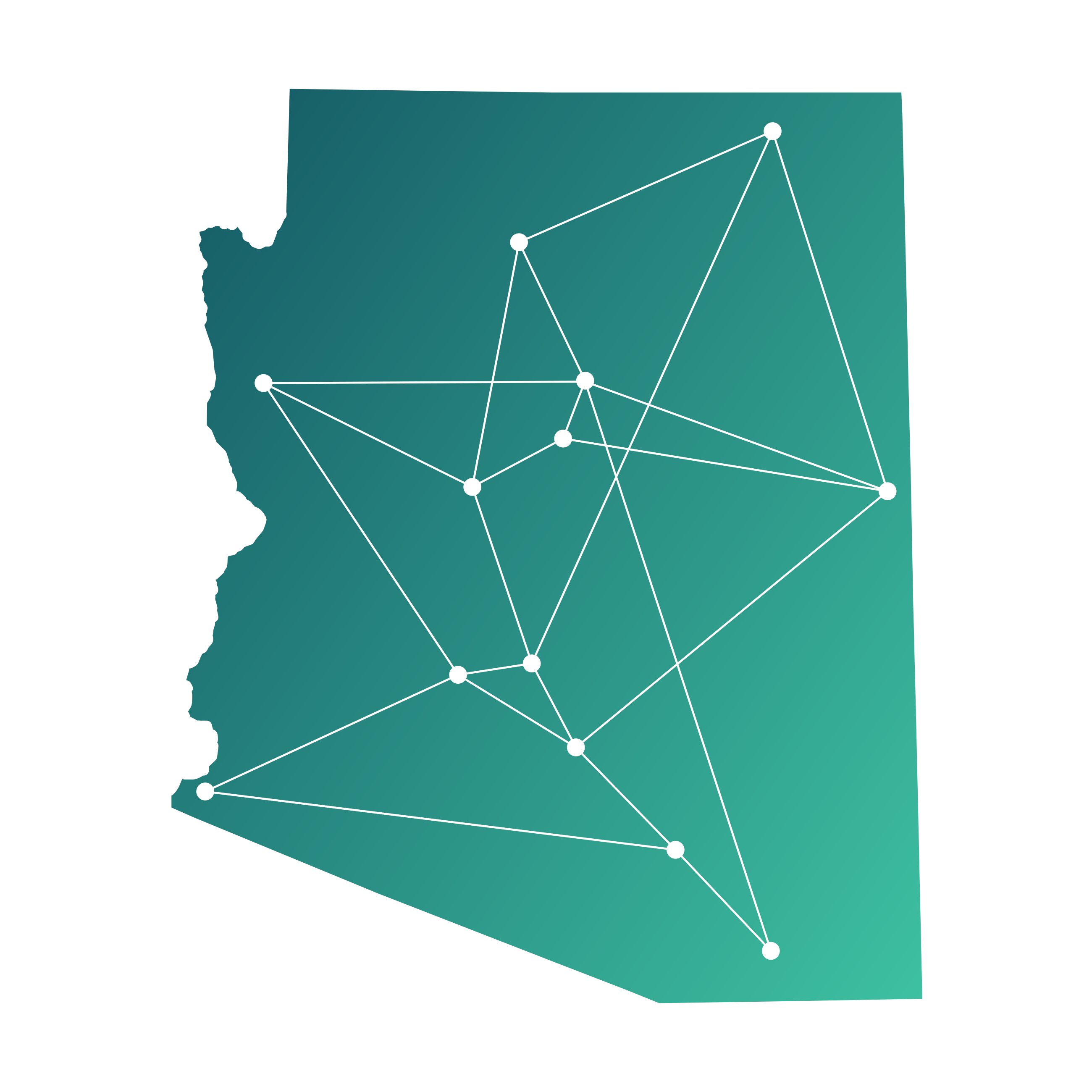
Arizona now delivers predictable monthly funding because enrollment data is accurate and up to date.
The state began with funding because enrollment accuracy was urgent. But the goal goes further. Reliable enrollment data strengthens accountability, supports earlier intervention, and improves how districts serve students over time.
Because funding is calculated daily, districts need precise enrollment information to plan staffing and services. By implementing the Ed-Fi Data Standard, Arizona added nightly data validation and aligned monthly payments to actual student enrollment, not estimates.
District leaders can now plan with confidence, backed by reliable, real-time information.
Challenge
Before modernization, Arizona’s showed clear strain:
- Enrollment data lagged five to seven days, which is manageable for most agencies, but untenable in Arizona, where funding is calculated daily.
- Data quality varied widely across districts using sixteen different student information systems.
- Key programs lacked timely, consistent data, making monthly funding both difficult and uncertain.
Goals
Arizona centered its work on district needs and practical outcomes:
- Ensure districts are funded each month based on current enrollment, not delayed data
- Improve data quality while reducing manual effort
- Support accountability and program reporting with timely information
- Preserve local vendor choice across a diverse landscape
Approach
Fix funding by fixing enrollment data
Arizona began with student enrollment because it directly drives funding. By connecting district systems with the Ed-Fi Data Standard, the state could validate enrollment data nightly and calculate student membership quickly and consistently. Updated results are shared back with districts each month.
This created a clear a-ha moment for districts and state leaders alike: when enrollment data was accurate and validated nightly, funding followed naturally, and districts could finally plan staffing and services around real students, not shifting estimates.
Validation and quality built in
A nightly validation process checks enrollment data against business rules, ensuring it is accurate, auditable, and complete. Instead of relying on projections, Arizona now pays districts based on the students actually enrolled that month.
Working with vendors as partners
With sixteen different student information systems in use, Arizona focused on collaboration instead of control. The state hosts regular vendor meetings, communicates expectations clearly, and treats vendors as essential partners.
This approach built trust. Districts kept their systems, and the state gained a shared, accurate enrollment count.
Expanding with purpose
Once monthly student membership was stable, Arizona expanded to other high-value uses, including:
- Accountability reporting for school and district ratings
- Program evaluation for 21st century learning efforts to build problem-solving, collaboration, and digital literacy skills.
- Federal program reporting, including pandemic nutrition benefits
Each addition followed the same rule: connect data work to something districts already care about and that makes a real difference in helping students succeed in the classroom.
Results
Accurate, predictable funding: Student membership calculations that once took up to a week now run in about an hour. Districts receive reliable payments each year, reducing adjustments and increasing confidence.
Improved data quality: Nightly validation and direct connections to district systems led to stronger, more reliable data across programs.
Faster, clearer reporting: Accountability reporting became more efficient, giving districts quicker insight into performance and ratings.
Real benefits for students: More timely and accurate enrollment data helps schools plan staffing, schedules, and services more consistently — supporting students throughout the year.
A stable, sustainable system: Arizona now upgrades to the latest version of the Ed-Fi Technology Suite each year. This keeps the system current, reduces technical debt, and supports long-term stability.
Partner Collaboration
- Arizona Department of Juvenile Corrections (AZDJC)
- BocaVox (Maestro)
- Edupoint (Synergy)
- Focus School Software
- Genius (K-12)
- HANE Solutions (SchoolDex)
- Infinite Campus
- JupiterEd
- Mesa Distance Learning Program (MDLP)
- Pearson (Connexus)
- PowerSchool
- Strongmind
- Tyler Technologies (SIS K-12)
- MediaNet Solutions (e-IEP PRO)
Looking Ahead
Now that enrollment data is reliable, districts can plan with confidence and stay focused on what matters most: keeping students on track and supporting their success in the classroom. The state is working to strengthen the foundation by reducing customizations, align more closely to the Ed-Fi Data Standard, and expand carefully to protect data quality and district trust.